Physical Address
304 North Cardinal St.
Dorchester Center, MA 02124
Physical Address
304 North Cardinal St.
Dorchester Center, MA 02124

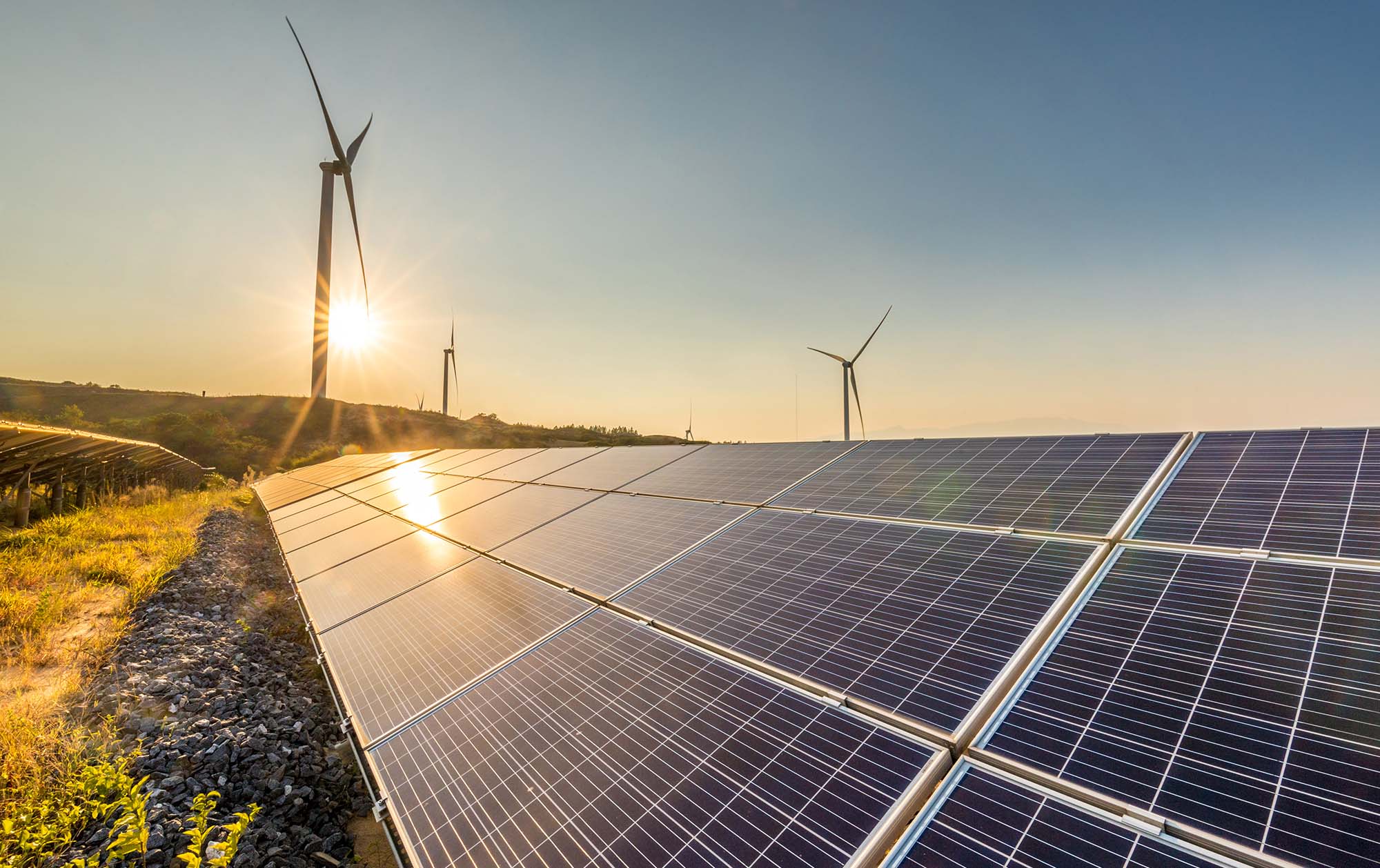
As the demand for sustainable agriculture grows, more and more New Zealand farmers are turning to renewable energy solutions to power their operations. From solar panels to wind turbines, renewable energy offers a cost-effective, eco-friendly way to reduce reliance on fossil fuels and improve farm efficiency.
Solar panels are now widely used across New Zealand farms to:
Power irrigation systems
Run milking machines
Provide lighting and heating for greenhouses
✅ Benefit: Reduce electricity costs by up to 60% annually.
Small-scale wind turbines can generate clean energy for:
Remote livestock shelters
Water pumping stations
Off-grid farming operations
✅ Benefit: Suitable for windy regions such as Canterbury and Wellington.
Organic farm waste like crop residues and animal manure can be converted into biogas or biofertilizer, providing an alternative source of energy and nutrients for the soil.
✅ Benefit: Minimizes waste disposal issues and boosts sustainability.
Renewable energy isn’t just for electricity — solar water heaters are increasingly used in dairy farms and processing facilities for sterilization and cleaning processes.
✅ Benefit: Saves energy used in water heating, reducing operational costs.
The New Zealand government offers rebates and funding for renewable energy installations on farms.
👉 Visit https://www.eeca.govt.nz for current programs.
Switching to renewable energy is not only environmentally responsible but also a smart economic move for New Zealand farmers. By adopting solar, wind, and bioenergy solutions, farms can lower costs, reduce emissions, and build a sustainable future.